3D PLUS: Why innovation in space electronics goes beyond miniaturization
How much further can space electronics evolve when engineers challenge existing designs instead of simply improving them?
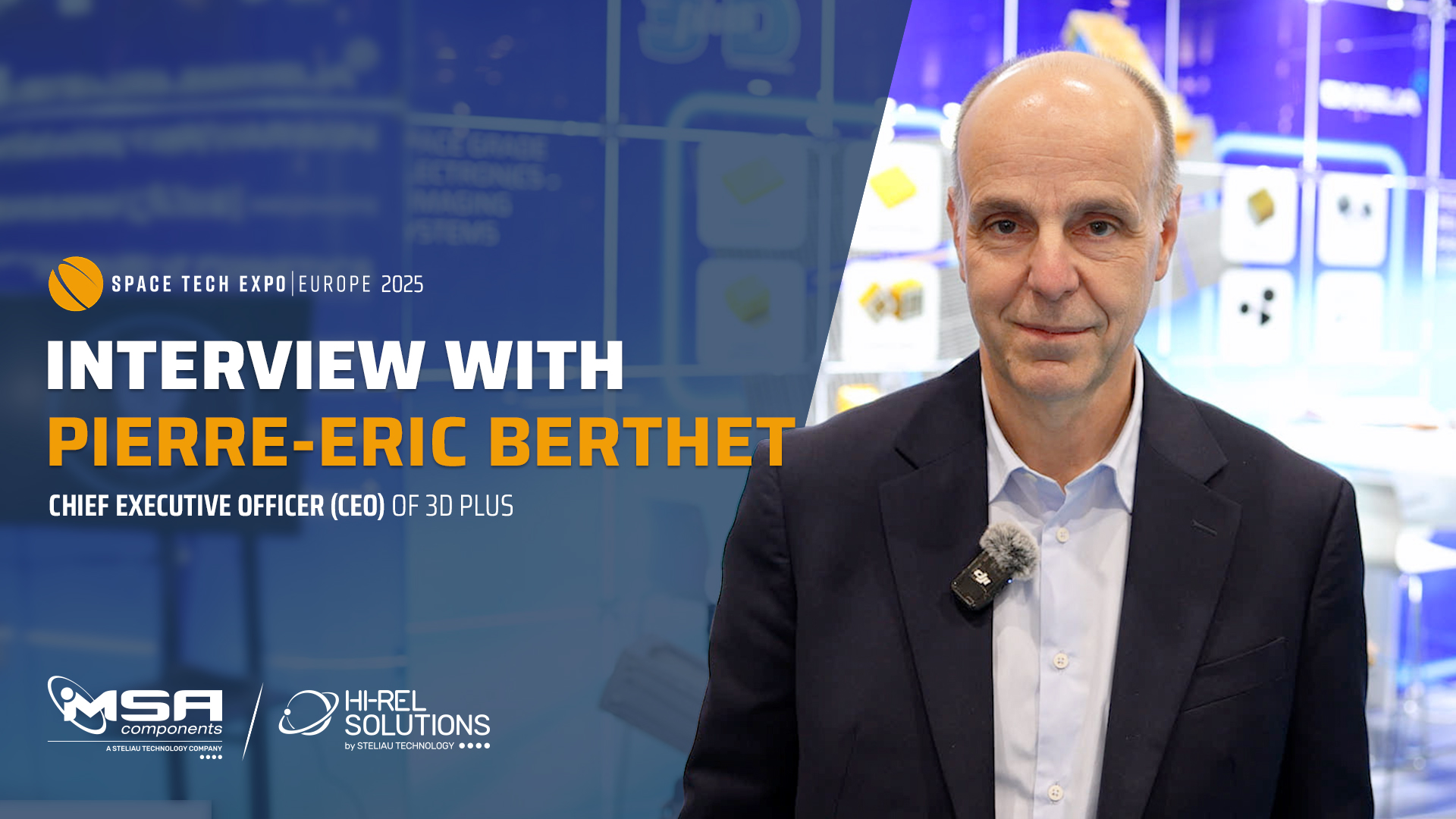
At Space Tech Expo Europe 2025 in Bremen, we spoke with Pierre-Eric Berthet, CEO of 3D PLUS, about the company’s approach to innovation, customer requirements and the technologies behind reliable space electronics. The exhibition also marked the introduction of ASTERIA, a new ultra-miniaturized space camera.
High-reliability electronics for demanding missions
3D PLUS develops and manufactures miniaturized electronic modules for applications where reliability, performance and limited available space must be considered together. Its products support satellites, Earth observation and exploration missions, among other applications.
Berthet refers to more than 220,000 modules deployed in space. The 3D PLUS flight-heritage website likewise cites more than 220,000 microelectronics components in space. This flight-heritage figure is reported by the manufacturer and should not be interpreted as an independently audited reliability metric.
For Berthet, however, technical specifications are only part of the equation. Customer requirements, innovation, teamwork and long-term trust are central to the way 3D PLUS develops its products. In space applications, every development must ultimately be considered in the context of its mission requirements.
The 10X approach: challenging existing solutions
A central theme of the interview is the 3D PLUS “10X” development philosophy.
Rather than limiting development to incremental improvements, Berthet describes a more ambitious question: how could an existing solution be made ten times better? In his account, 10X is a way of rethinking the design, not simply redesigning an existing product.
The 10X concept is an engineering mindset, not a verified claim that every product attribute improves tenfold. Berthet points to ASTERIA as an example of this approach.
ASTERIA: putting the development philosophy into practice
On 18 November 2025, 3D PLUS introduced the ASTERIA Space Camera at Space Tech Expo Europe in Bremen.
ASTERIA aims to combine high-resolution imaging with an exceptionally compact camera system. The official product information specifies an 8-megapixel CMOS sensor, 4K video at 30 frames per second and a mass below 70 grams. These are manufacturer specifications for a product under development; they do not establish that ASTERIA has already flown.
These characteristics are relevant to space applications where mass and integration space are limited, but high-performance visual monitoring remains important.
ASTERIA illustrates the approach Berthet describes: meaningful improvements can emerge not only from individual components, but from reconsidering the architecture of an entire system.
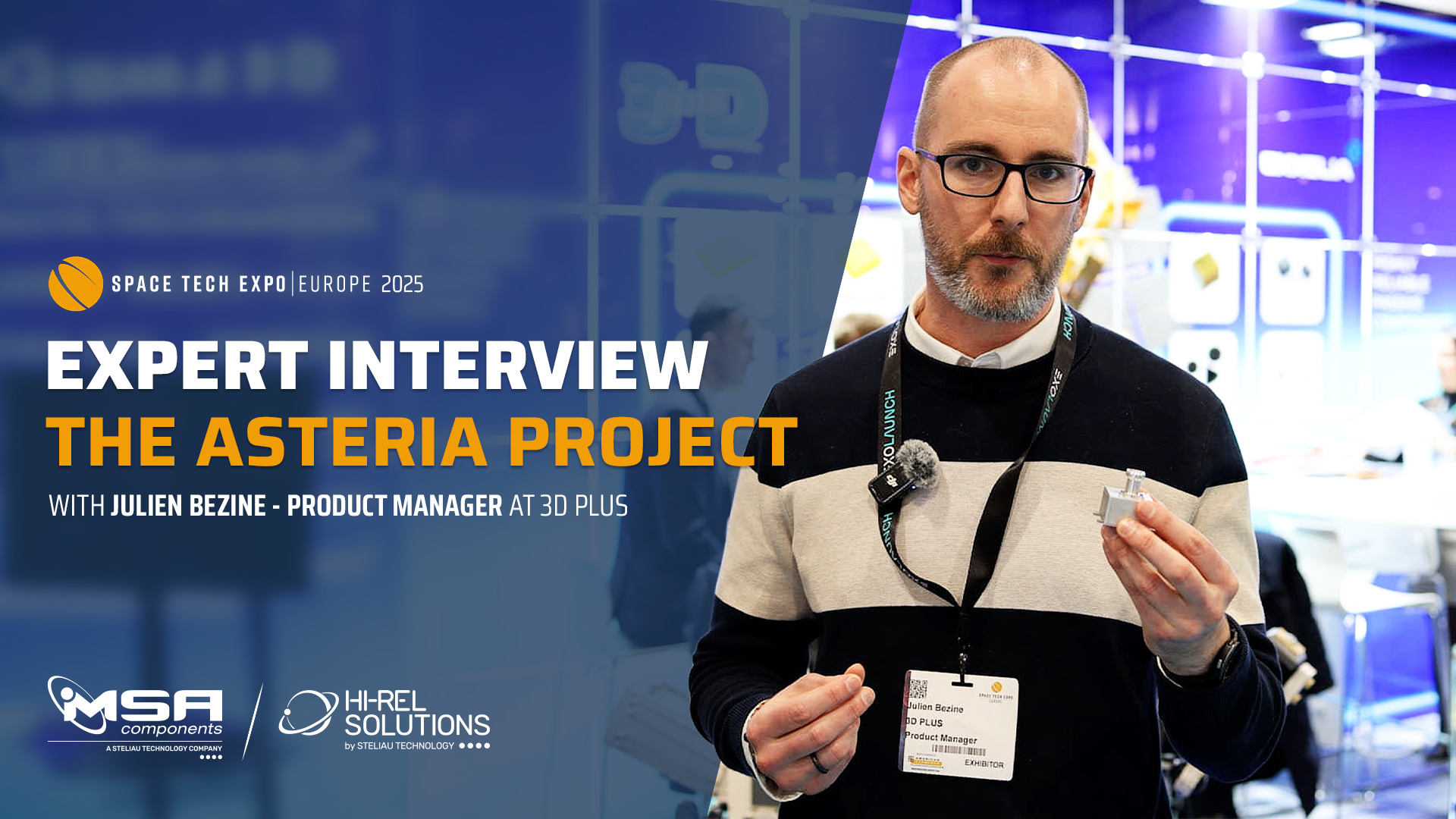
In a complementary interview, 3D PLUS Product Manager Julien Bezine explains the technical concept and the capabilities of ASTERIA in greater detail.
Next week, the European space community returns to Bremen: Space Tech Expo Europe takes place from 17 to 19 November 2026. You can find 3D PLUS alongside MSA Components in Hall 5, Booth F11.
Visit the 3D PLUS team at our shared booth to discuss miniaturization, space electronics and the technical requirements of your next mission.
Arrange a meeting with 3D PLUS and MSA Components in Bremen:
ASTERIA by 3D PLUS: 4K imaging in a space camera weighing less than 70 grams An 8-megapixel CMOS image sensor, 4K video at 30 frames per second, and a camera…
3D PLUS: Why innovation in space electronics goes beyond miniaturization How much further can space electronics evolve when engineers challenge existing designs instead of simply improving them? At Space Tech…
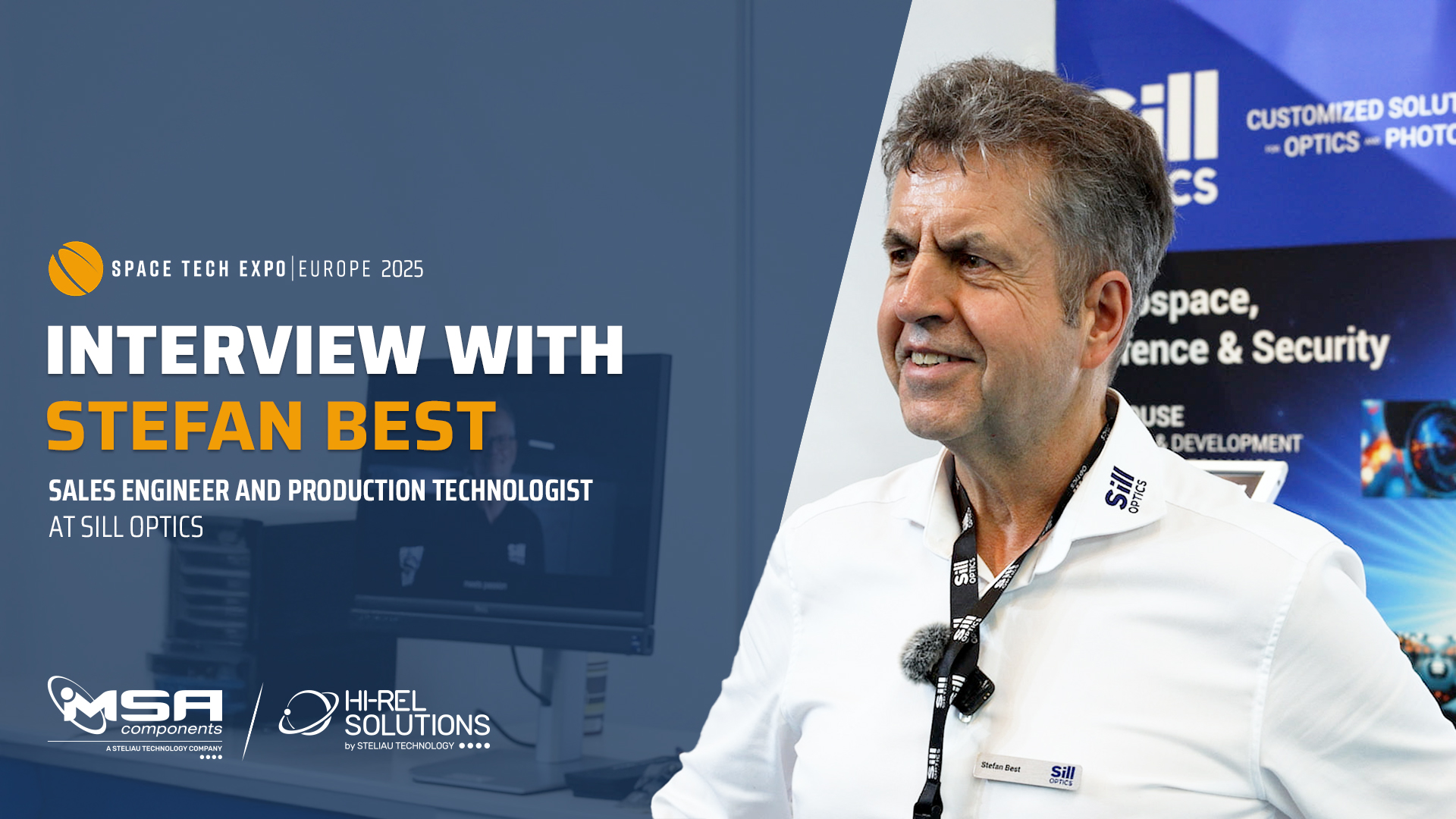
Custom precision optics from Sill Optics An instrument’s optics must suit the application, the available space and the chosen sensor. At Space Tech Expo Europe 2025, Stefan Best explained how…
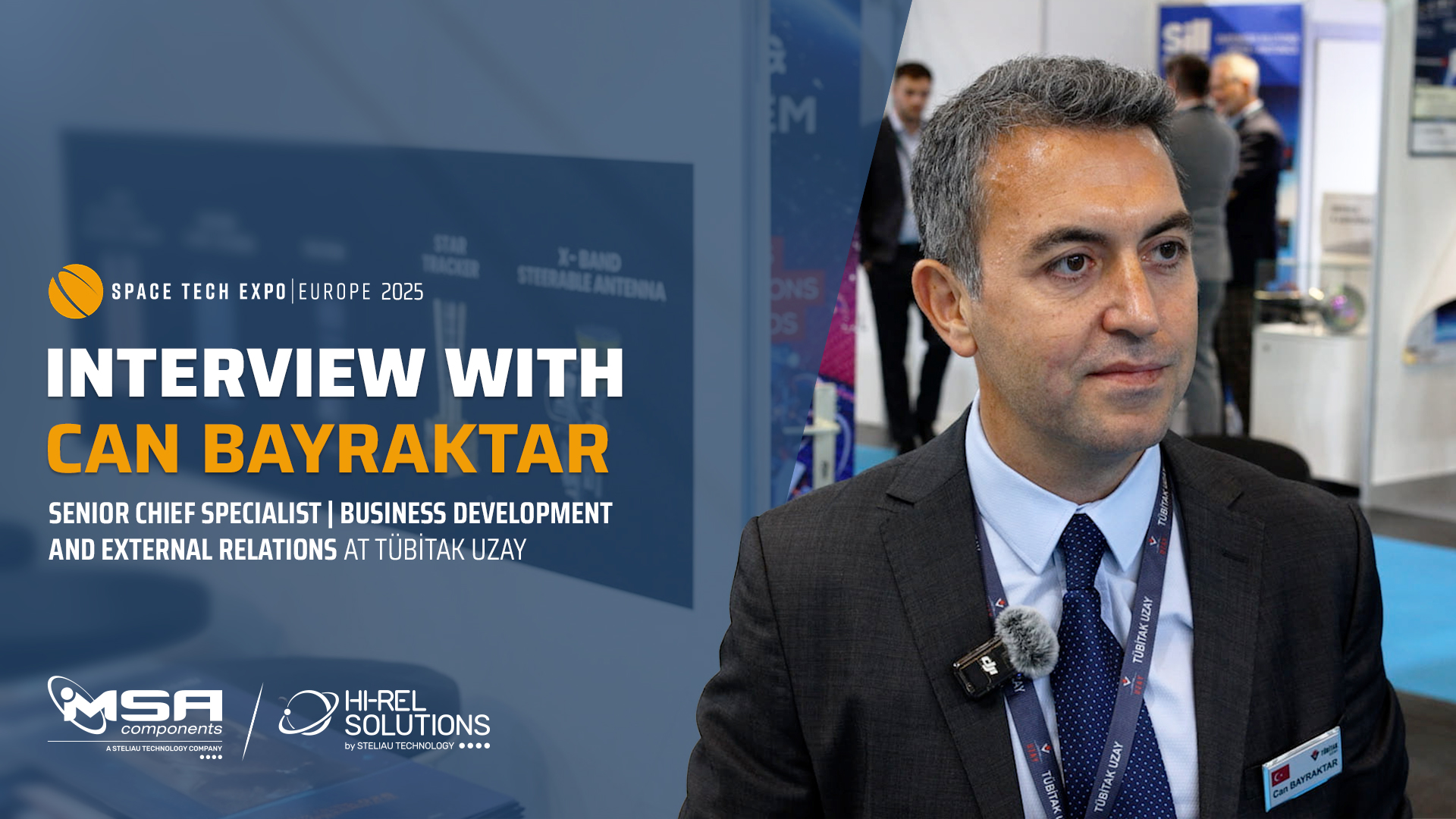
NAUM Technology gimbals for testing star trackers A star tracker has to determine its orientation as a satellite moves. At Space Tech Expo Europe 2025, Can Bayraktar of TÜBİTAK UZAY…
From component selection to design-in: our sales team advises you in person, by phone, video call or on site. We will set aside 30 minutes for you.
How
Phone, video call or on site
Where
At MSA in Attendorn or at your premises
Duration
Up to 30 minutes
Response
Within 1–2 working days
PERSÖNLICHE BERATUNG
Sprechen wir über Ihr Projekt
Von der Bauteilauswahl bis zum Design-in: Unser Vertriebsteam berät Sie persönlich, telefonisch, per Videokonferenz oder vor Ort. Wir nehmen uns 30 Minuten Zeit.
Wie
Telefon, Video oder vor Ort
Wo
Bei MSA in Attendorn oder bei Ihnen
Dauer
Bis zu 30 Minuten
Rückmeldung
Innerhalb von 1-2 Werktagen
Application Form
Bewerbungsformular
Produktinformationen anfordern
Interessieren Sie sich für dieses Produkt? Geben Sie unten Ihre Daten ein, und wir melden uns bei Ihnen mit Informationen zu Preisen, Verfügbarkeit und technischen Details.
Request Product Information
Interested in this product? Fill in your details below and we'll get back to you with pricing, availability, and technical information.