ASTERIA by 3D PLUS: 4K imaging in a space camera weighing less than 70 grams
An 8-megapixel CMOS image sensor, 4K video at 30 frames per second, and a camera mass below 70 grams in a package measuring less than 35 × 35 × 43 mm: ASTERIA combines high-resolution imaging with a compact form factor for spacecraft integration.
3D PLUS developed the ASTERIA concept to address the combined constraints of imaging performance, mass and integration volume in space applications.
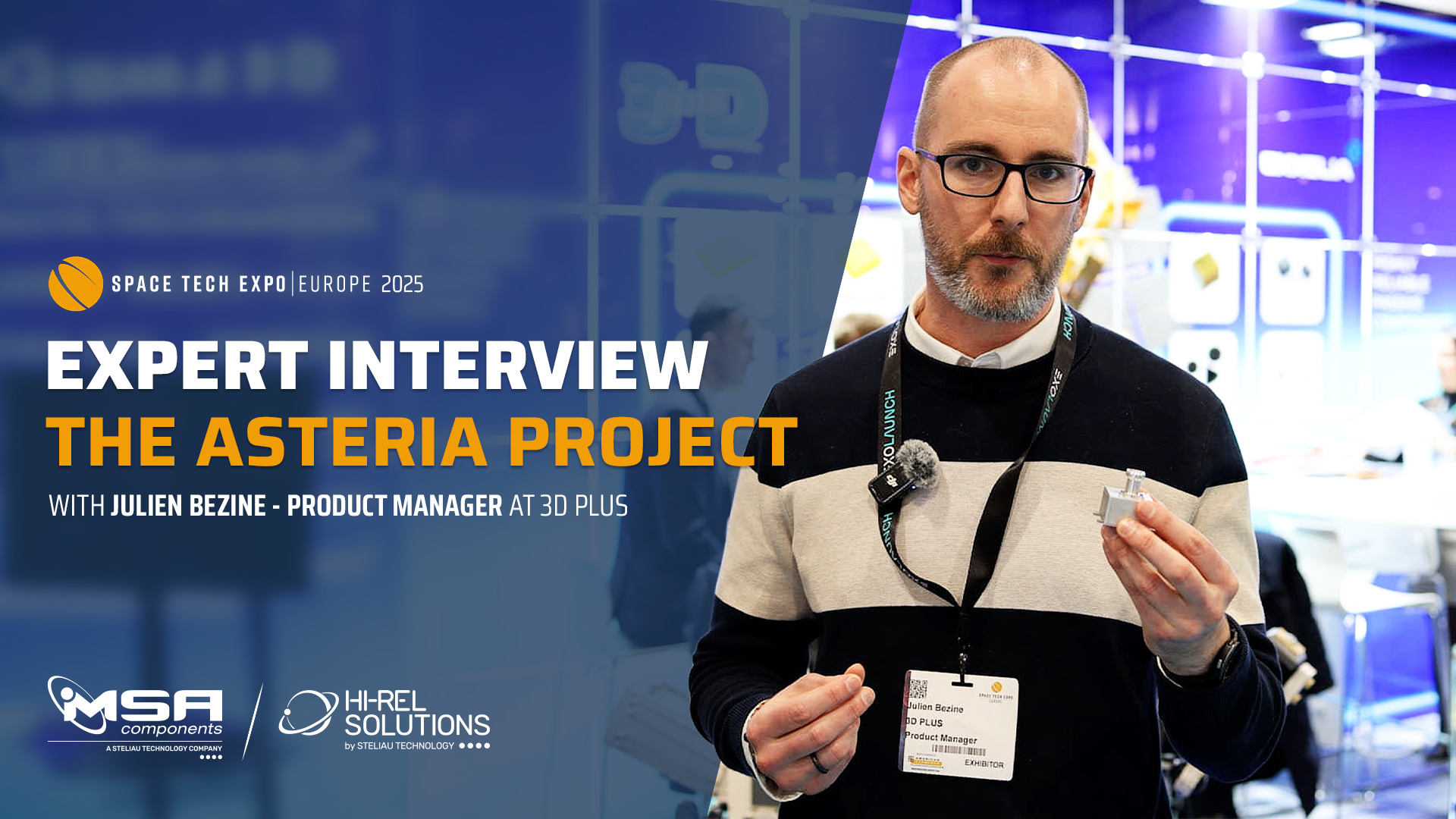
During Space Tech Expo Europe 2025 in Bremen, Julien Bezine, Product Manager for space cameras at 3D PLUS, explained ASTERIA’s architecture and system-level objectives, including frame rate, onboard image processing and reduced size and mass.
8-megapixel imaging and 4K video
ASTERIA integrates an 8-megapixel colour CMOS image sensor. Its specified video modes are 4K at 30 fps, Full HD at 60 fps and HD at up to 120 fps, offering different trade-offs between spatial resolution and temporal sampling.
Applications include visual monitoring of spacecraft subsystems as well as observation and scientific imaging. The appropriate operating mode depends on the required field of view, motion dynamics and mission data budget.
Reducing camera mass and integration volume
Bezine compares ASTERIA with the IRIS configuration discussed in the interview, which he describes as approximately 400 g with a 4-megapixel sensor. ASTERIA is specified at less than 70 g, with 8 megapixels and 4K video at 30 fps. This comparison applies to the cited configurations, not necessarily every camera in the IRIS family.
The ASTERIA specification lists a camera mass below 70 g and dimensions below 35 × 35 × 43 mm.
Reduced camera mass and installation volume can offer additional flexibility in mounting positions, spacecraft structural design and payload configuration. Any system-level gains in mass, cost or performance must be assessed against the mission-specific electrical, data, mechanical and thermal interfaces.
Integrated image processing and communication interfaces
Onboard image processing is another integral part of the ASTERIA architecture.
3D PLUS lists automatic exposure control, colour and gamma correction, pixel correction, HDR, windowing and image compression among its onboard functions.
Onboard processing can influence the allocation of downstream image-processing tasks. Data-path design still depends on frame rate, image format, compression settings and the effective interface bandwidth required by the mission.
Manufacturer announcements identify Gigabit Ethernet as the baseline interface. The current product overview also lists SpaceWire versions with separate part numbers. Availability and qualification status of individual variants should be confirmed with 3D PLUS during project evaluation.
From IRIS to the 10X development philosophy
ASTERIA is an example of the 3D PLUS 10X development philosophy.
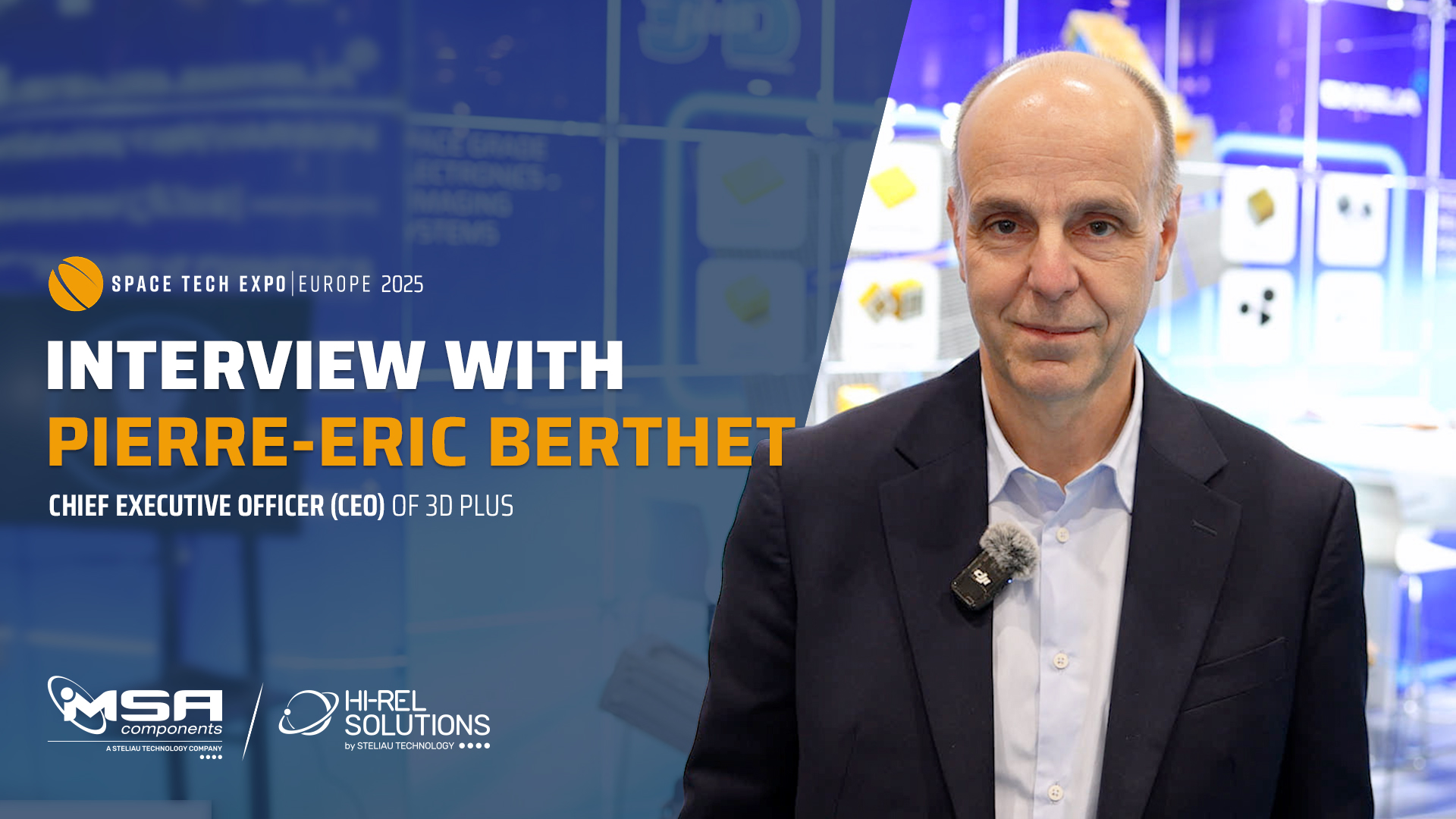
In our earlier interview, CEO Pierre-Eric Berthet explained why the company aims to challenge existing designs instead of focusing solely on incremental improvements.
The camera development illustrates this thinking by considering imaging performance, mass, volume and onboard processing as part of the overall architecture.
Discuss ASTERIA at Space Tech Expo Europe 2026
Space camera selection requires engineers to evaluate resolution and frame rate alongside mass budget, data interface, power consumption, environmental constraints and qualification status. The documented ASTERIA characteristics provide a starting point, with further integration parameters to be established for each mission.
Next week, from 17 to 19 November 2026, Space Tech Expo Europe returns to Bremen. If you want to discuss ASTERIA’s architecture, interfaces or integration requirements in person, meet the 3D PLUS team at our shared stand in Hall 5, Booth F11.
Arrange a meeting with 3D PLUS and MSA Components in Bremen:
ASTERIA by 3D PLUS: 4K imaging in a space camera weighing less than 70 grams An 8-megapixel CMOS image sensor, 4K video at 30 frames per second, and a camera…
3D PLUS: Why innovation in space electronics goes beyond miniaturization How much further can space electronics evolve when engineers challenge existing designs instead of simply improving them? At Space Tech…
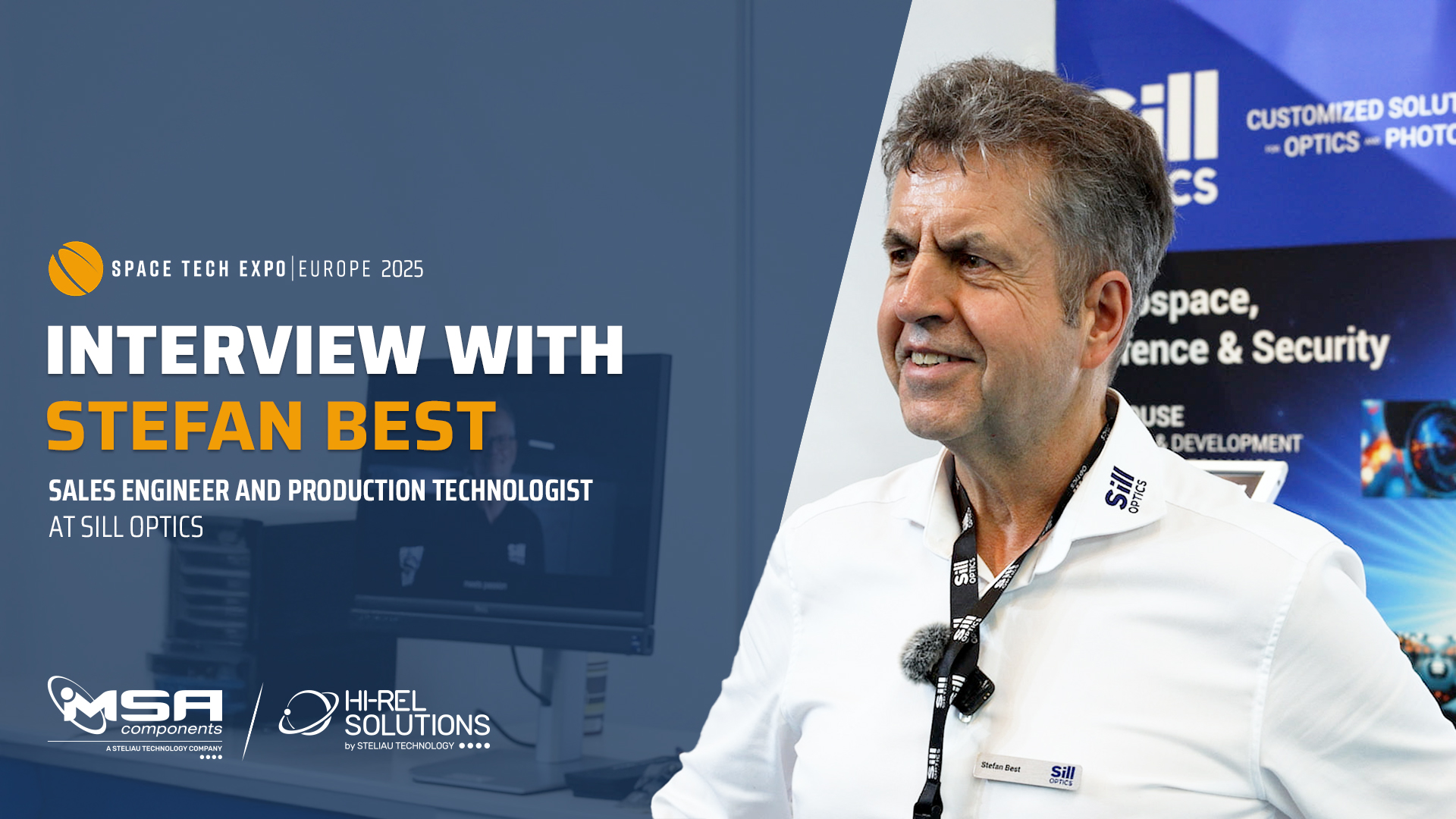
Custom precision optics from Sill Optics An instrument’s optics must suit the application, the available space and the chosen sensor. At Space Tech Expo Europe 2025, Stefan Best explained how…
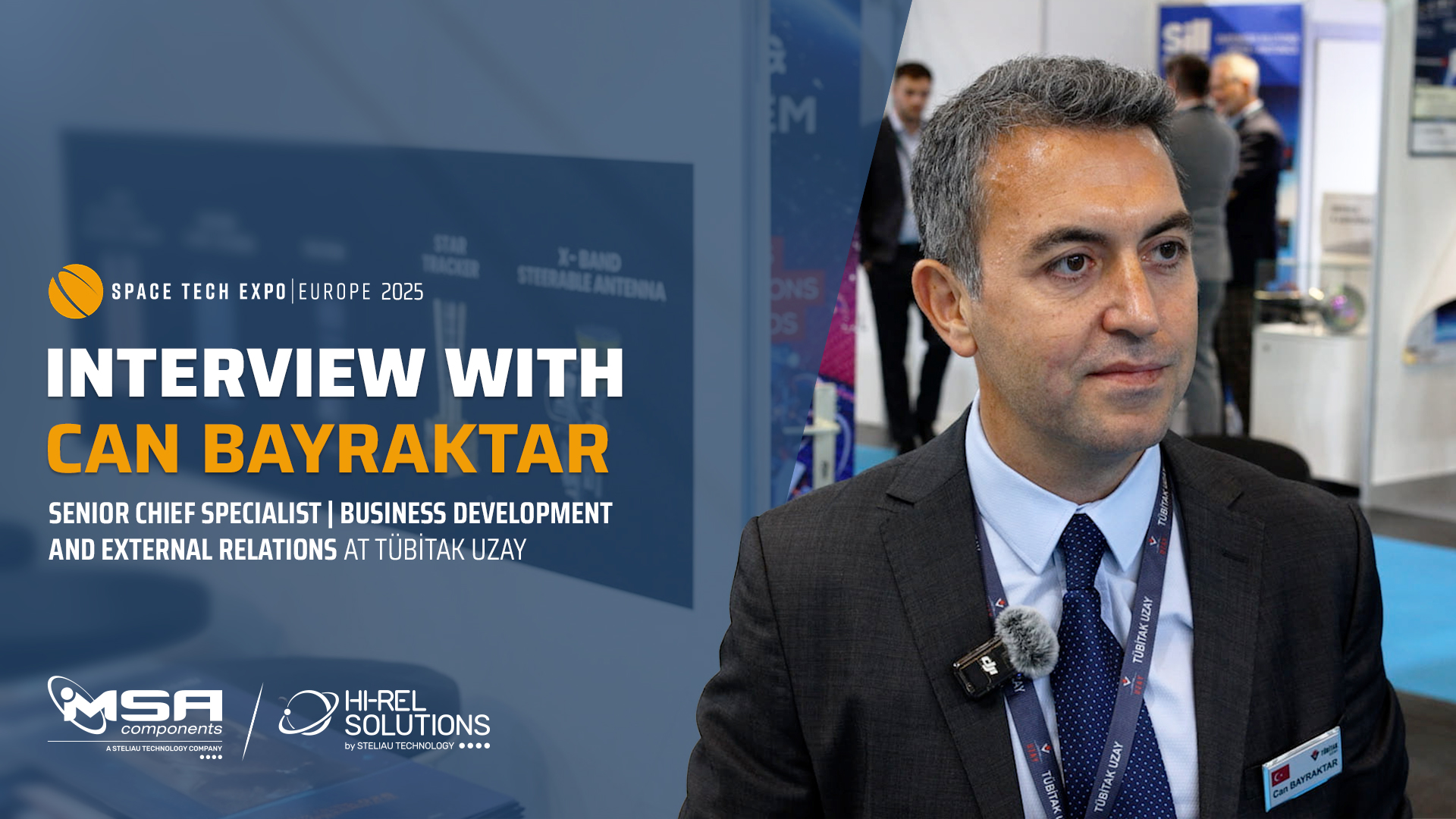
NAUM Technology gimbals for testing star trackers A star tracker has to determine its orientation as a satellite moves. At Space Tech Expo Europe 2025, Can Bayraktar of TÜBİTAK UZAY…
From component selection to design-in: our sales team advises you in person, by phone, video call or on site. We will set aside 30 minutes for you.
How
Phone, video call or on site
Where
At MSA in Attendorn or at your premises
Duration
Up to 30 minutes
Response
Within 1–2 working days
PERSÖNLICHE BERATUNG
Sprechen wir über Ihr Projekt
Von der Bauteilauswahl bis zum Design-in: Unser Vertriebsteam berät Sie persönlich, telefonisch, per Videokonferenz oder vor Ort. Wir nehmen uns 30 Minuten Zeit.
Wie
Telefon, Video oder vor Ort
Wo
Bei MSA in Attendorn oder bei Ihnen
Dauer
Bis zu 30 Minuten
Rückmeldung
Innerhalb von 1-2 Werktagen
Application Form
Bewerbungsformular
Produktinformationen anfordern
Interessieren Sie sich für dieses Produkt? Geben Sie unten Ihre Daten ein, und wir melden uns bei Ihnen mit Informationen zu Preisen, Verfügbarkeit und technischen Details.
Request Product Information
Interested in this product? Fill in your details below and we'll get back to you with pricing, availability, and technical information.